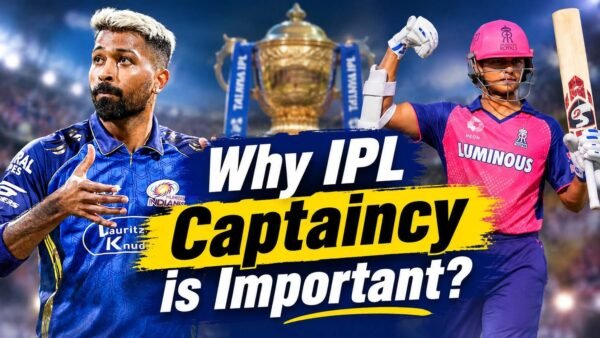








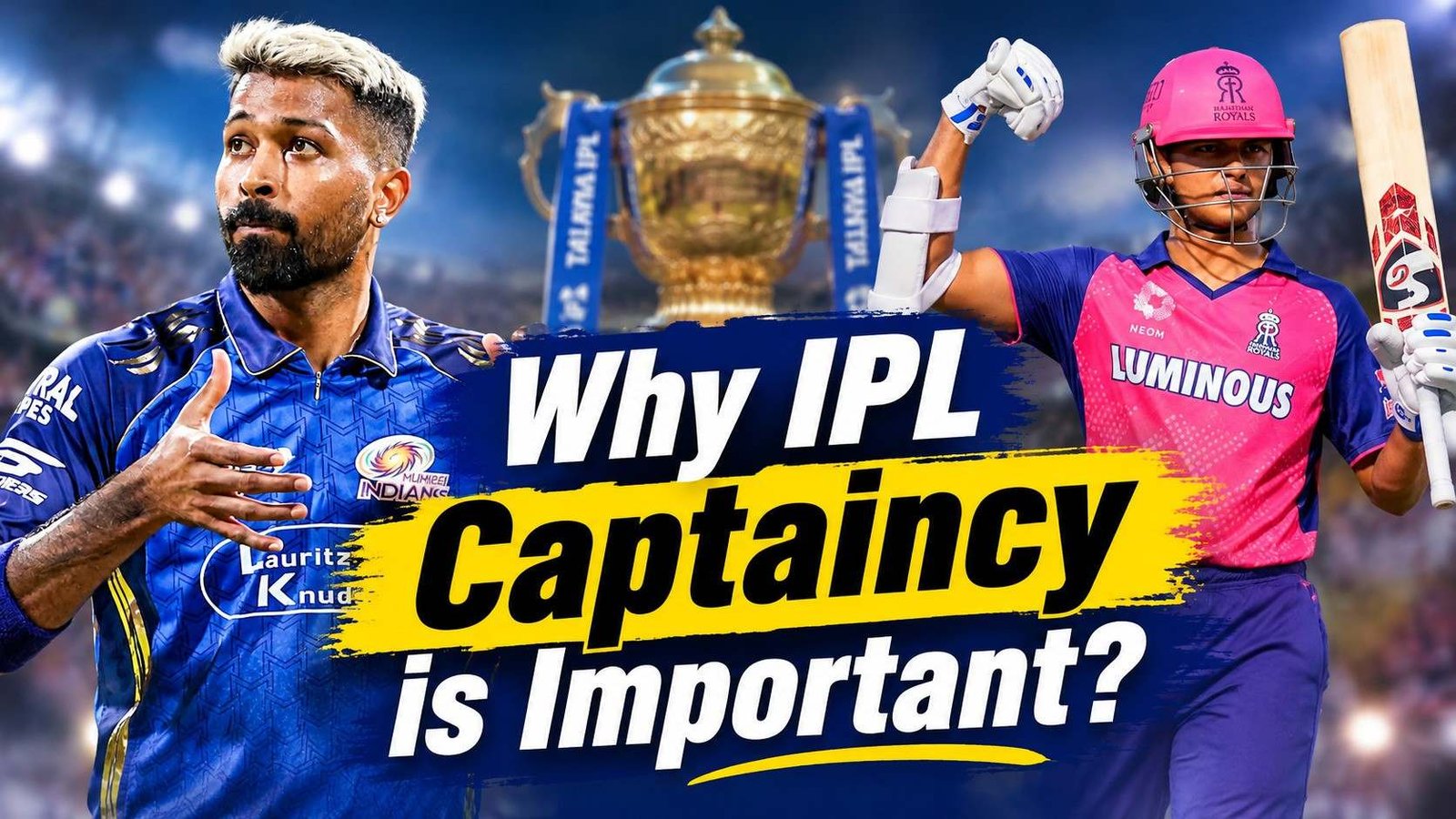
For years, playing for India was the biggest dream for every young cricketer. An international cap meant recognition, respect and the chance to represent the country. But the IPL has changed the way players look at their careers. Today, a young player may also dream of leading an IPL franchise, becoming the face of a team and building a brand around his leadership.
The growing discussion around Yashasvi Jaiswal and Rajasthan Royals is one example. Speculation suggests that captaincy could become an important factor in his future with the franchise. Nothing is confirmed, but the conversation raises a bigger question: Are some players now giving IPL captaincy as much importance as, or even more importance than, playing for India?
This is not necessarily a sign that representing India has lost its value. Instead, it shows how much the IPL has changed a cricketer’s career, influence and earning potential.
When an IPL Captaincy Becomes a Career Decision
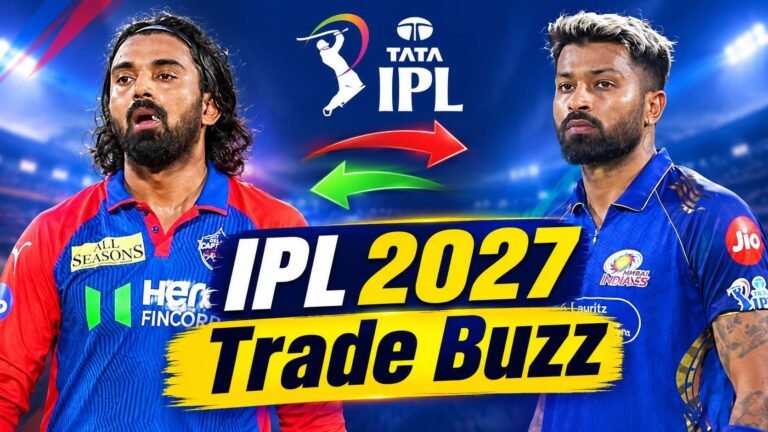
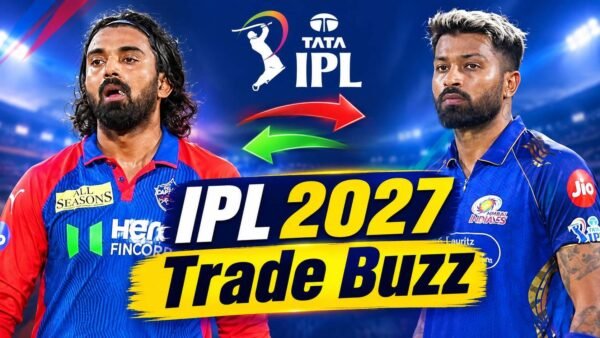
Yashasvi Jaiswal’s situation makes this debate even more interesting. Reports around the IPL 2027 trade window have linked him with a possible move away from Rajasthan Royals. Lucknow Super Giants have reportedly shown interest in signing him, with captaincy emerging as a possible attraction. Former India batter Ambati Rayudu has also backed Jaiswal as a long-term captaincy option for LSG. However, no agreement is confirmed, and reports also suggest RR want to continue with Riyan Parag as captain.
The key point isn’t whether Jaiswal will leave RR or become captain. It is that captaincy has become a major part of how franchises attract and retain players.
A young batter with international experience may not want to remain just another member of a team. He may want to lead it, make important decisions, and build his own identity. For a player like Jaiswal, who has already established himself as an important name in Indian cricket, a leadership role could offer a different kind of career growth.
Hardik Pandya Shows How Valuable IPL Captaincy Can Be
Hardik Pandya’s career offers one of the clearest examples of captaincy changing a player’s IPL journey.
Mumbai Indians released him ahead of the 2022 season. Gujarat Titans then picked him and immediately made him captain. It was a major opportunity. Hardik was no longer just an all-rounder expected to contribute with the bat and ball. He became the face of a new franchise.
The decision worked brilliantly. Hardik led Gujarat to the IPL title in its debut season in 2022. The team reached the final again in 2023. His success turned him into one of the most attractive leadership options in the league.
Then came another major move. Hardik returned to Mumbai Indians ahead of IPL 2024, and the franchise handed him the captaincy. MI removed Rohit Sharma, who had led the team to five IPL titles, from the role.
That decision showed how much value Mumbai placed on Hardik’s leadership and long-term role. It also showed that captaincy could influence a major player trade.
The move, however, came with a huge cost.
The Rohit-Hardik Change Showed the Other Side
Rohit was not an ordinary captain. He had built a successful era at Mumbai Indians. So, replacing him was always going to be an emotional decision for supporters.
Hardik faced heavy boos from fans during IPL 2024. Many questioned why the franchise had removed a five-time title-winning captain for him. The criticism followed him throughout the season, and MI finished at the bottom of the table.
There were also questions about the dressing-room atmosphere. Reports at the time suggested that the leadership change had left some senior players disappointed. Jasprit Bumrah and Suryakumar Yadav were also seen as potential leadership options, while Rohit’s position in the team had changed suddenly.
It would be unfair to claim that every dressing-room disagreement was confirmed. Only the people inside the team know exactly what happened. But the situation made one thing clear: giving a player captaincy is not just about handing him a title. It can change relationships, responsibilities, and the balance of an entire dressing room.
Hardik’s case also shows that a captain needs the support of senior players. A franchise can appoint someone, but it cannot force the whole team to accept that person as its natural leader overnight.
Why Young Players Want to Become IPL Captains
There are several reasons why captaincy has become so attractive.
More responsibility and a bigger identity
A regular player is judged mainly by his performances. A captain gets attention for team selections, bowling changes, field placements, and important decisions.
For a young player, this can help build a stronger identity. Jaiswal, for example, is already known for his batting. Leading a franchise could give him another way to establish himself.
Better commercial opportunities
Captaincy can make a player more visible. Interviews, press conferences, promotional campaigns, and leadership responsibilities bring additional attention.
Brands often look beyond runs and wickets. They also look at a player’s public image, popularity, and ability to connect with fans. A captain can become the face of a franchise and attract commercial opportunities.
But captaincy does not automatically guarantee more endorsements. Performance, personality, and public appeal still matter. The wider Indian sports market is also becoming more focused on athlete branding and year-round commercial partnerships.
A chance to influence the team’s future
A captain can have a voice in team planning, player roles and on-field strategy. While the coach and management make many important decisions, a captain’s opinion can carry significant weight.
Young players may see this as a chance to grow beyond their individual performances.
A possible route towards national leadership
IPL captaincy can also improve a player’s leadership experience. Hardik’s rise at Gujarat Titans strengthened his reputation as a leader. Shubman Gill also received the opportunity to captain Gujarat after Hardik’s departure.
However, IPL success does not guarantee India captaincy. International leadership requires consistency, experience, and the ability to handle different formats and conditions.
But IPL Captaincy Also Comes With a Heavy Price
The attraction is obvious, but the pressure can be equally difficult.
A batter who scores 400 runs in a season may receive praise. A captain who wins the same number of matches but loses a few close games can face serious criticism.
Every decision becomes a talking point. Why did he give the final over to a particular bowler? Why did he send a certain batter at No. 5? Why did he not use a specialist spinner earlier?
The captain also carries responsibility when the team fails, even when individual players do not perform.
Hardik experienced this pressure at Mumbai. His own performances, the team’s results and the reaction to Rohit’s removal all became part of the same debate.
There is another risk. A player can become so focused on leadership that it affects his natural game. A batter may start thinking about the team’s situation instead of playing freely. An all-rounder may struggle to manage his workload while also handling captaincy duties.
For young players, this pressure can become even greater because they are still developing their game.
Is Playing for India Still the Bigger Dream?
Yes, but the IPL has created another powerful career path.
Representing India remains the highest honour for most cricketers. It brings national recognition and a different level of responsibility. But an IPL captaincy offers something international cricket cannot always provide: a regular leadership role, commercial visibility and influence within a franchise.
A player may not become India’s captain, but he can still lead a major IPL team for several seasons. That is a valuable opportunity.
The real concern begins when captaincy becomes more important than improving as a cricketer. A leadership role should be a result of performance, maturity and trust, not simply a demand attached to a trade.
Franchises also need to be careful. Hardik’s return to MI showed that a big-name captaincy appointment can create more questions than answers if the team does not manage the transition properly.
Ultimately, the IPL is no longer just a platform where players compete for runs, wickets and trophies. It is also a place where they build careers, brands and leadership identities.
Jaiswal’s reported situation is another reminder of that change. Whether he stays at Rajasthan or finds a new home, the captaincy conversation around him reflects a bigger shift in modern cricket.
The question is no longer just how many runs a young player can score or how many matches he can win. It is also how much responsibility he wants, how much influence he can earn, and whether he is ready to lead.
What are your thoughts? Let us know in the comments.
Keep following Sportschilly for the latest updates.